


A Geopark is an area with well defined territorial expression and boundaries, where the existence of an exceptional Geological Heritage is the basis for a strategy that promotes the well-being of the population while maintaining the respect for the environment.
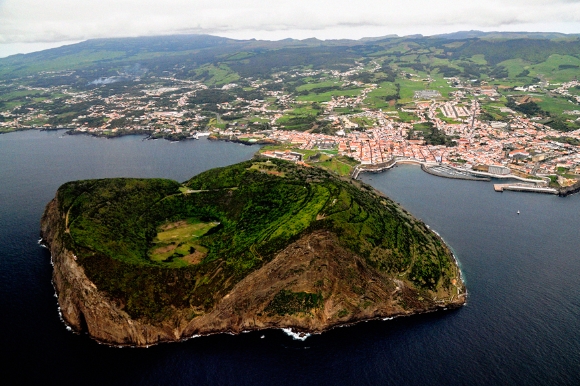
A Geopark is an area with well-defined territorial boundaries, where the existence of an exceptional geological heritage is the basis for a sustainable development strategy. It is intended that this concept is unifying, celebrating the relationship between Man and the planet, enhancing all heritage aspects (natural, cultural and immaterial). Through knowledge and understanding of the geological heritage of a particular region, the geopark strengthens the relationship of its inhabitants with the territory, becoming a symbol of local identity. A geopark includes a significant number of sites, considered geosites, that have scientific, educational, cultural, tourist or landscape value. A Geopark must fulfill the following objectives: Geoconservation; Environmental Education; Sustainable Development.
In 2001, UNESCO started it’s cooperation with Geoparks. By 2004, 17 European and 8 Chinese Geoparks gathered in Paris to promote cooperation and sharing initiatives about the Geological Patrimony.
With the creation of this new program, the first to be approved in the last 40 years, the Geoparks that were included in the Global Geoparks Network, now integrate this UNESCO program.
Together with World Heritage Sites and Biosphere Reserves, UNESCO Global Geoparks form a complete range of Sustainable Development tools. On November 17, 2015, the new International Geoscience and Geoparks Programme statutes were approved.
Visit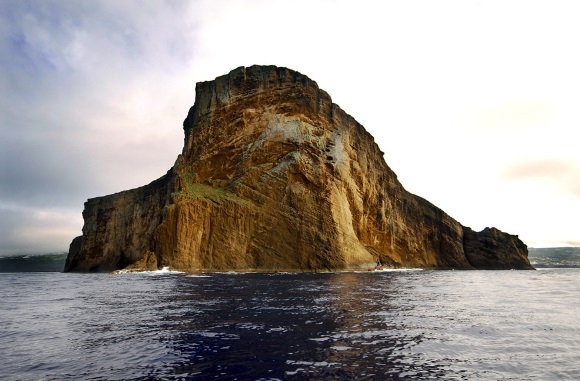
The Global Geoparks Network (GGN), of which membership is obligatory for UNESCO Global Geoparks, is a legally constituted not-for-profit organisation with an annual membership fee. The GGN was founded in 2004 and is a dynamic network where members are committed to work together and exchange ideas of best practise and join in common projects to raise the quality standards of all products and practises of a UNESCO Global Geopark.
While the GGN as a whole comes together every two years, it functions through the operation of regional networks, such as the European Geoparks Network that meets twice a year to develop and promote joint activities.
Created in 2011 under the aegis of the UNESCO National Commission, it constitutes a platform to deepen knowledge among its members; to encourage a greater exchange of experiences and to define conditions, methods and goals for joint work for the future; it is open to support the entry of new Geoparks that wish to integrate the Global Geoparks Network.
Portuguese National Forum of UNESCO Global Geoparks
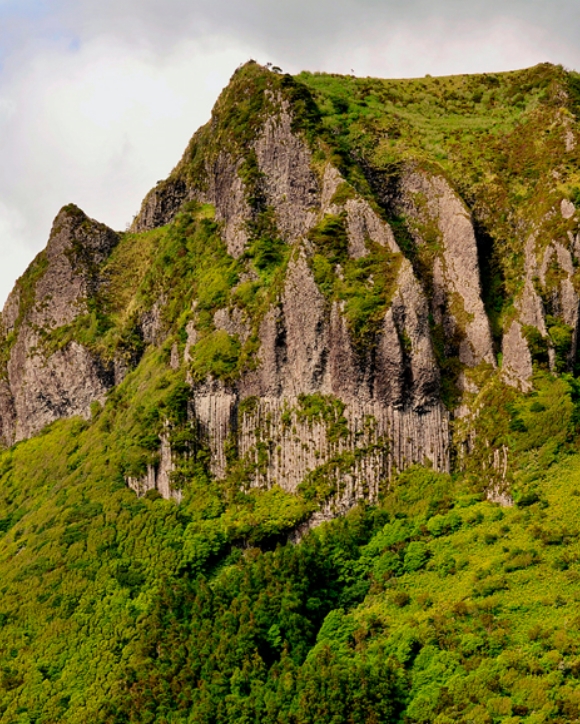
In 2006, Portugal joined the lists of the European and Global Geoparks Networks, with the Naturtejo Geopark of Meseta Meridional, followed by the entry of the Arouca Geopark in 2009, the Azores Geopark in 2013 and the Estrela Geoparque in 2020.