



Geotourism values environmental and cultural aspects and is based on the principles of sustainable tourism, promoting geodiversity and the territory's geological heritage.
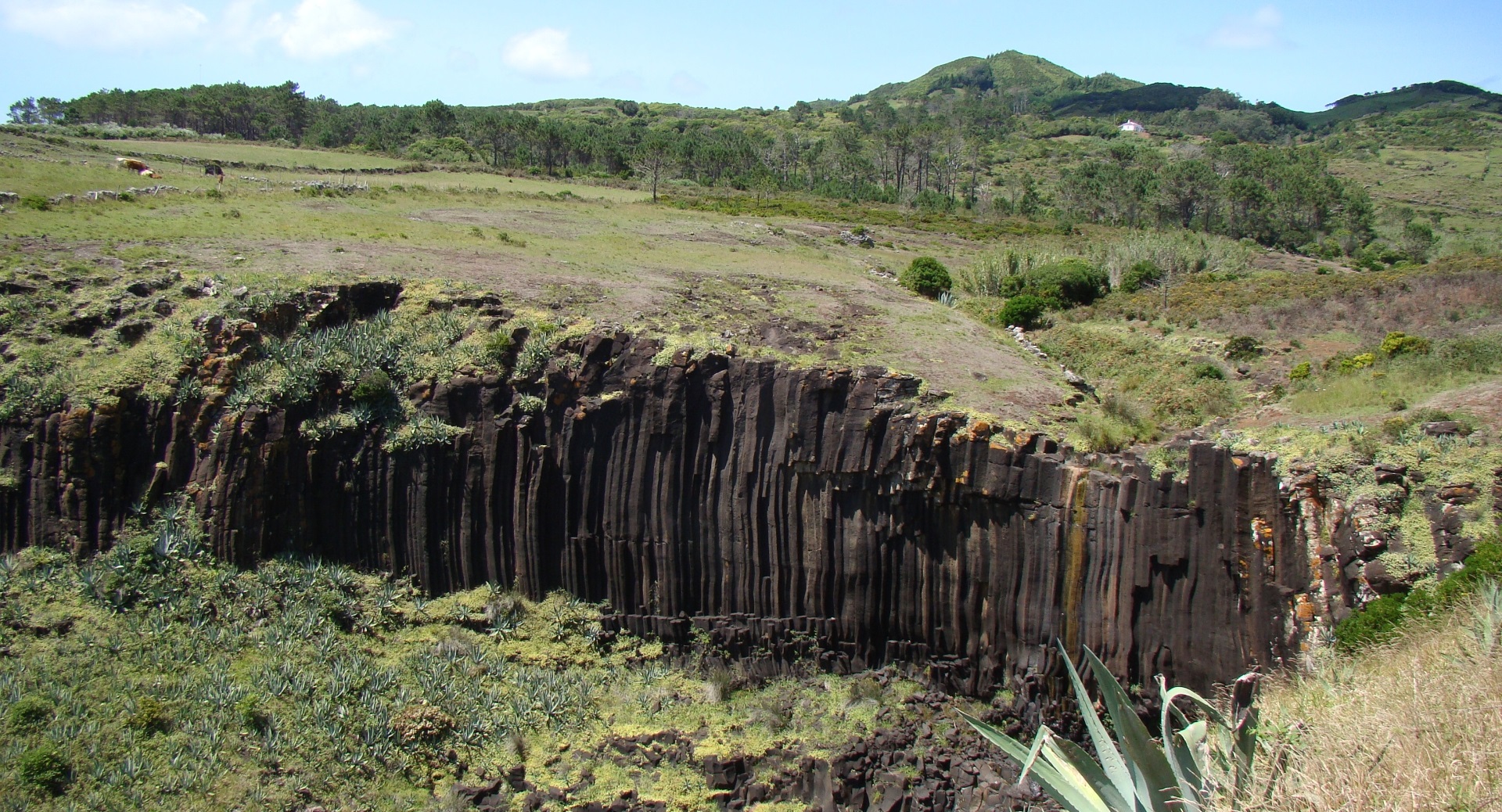
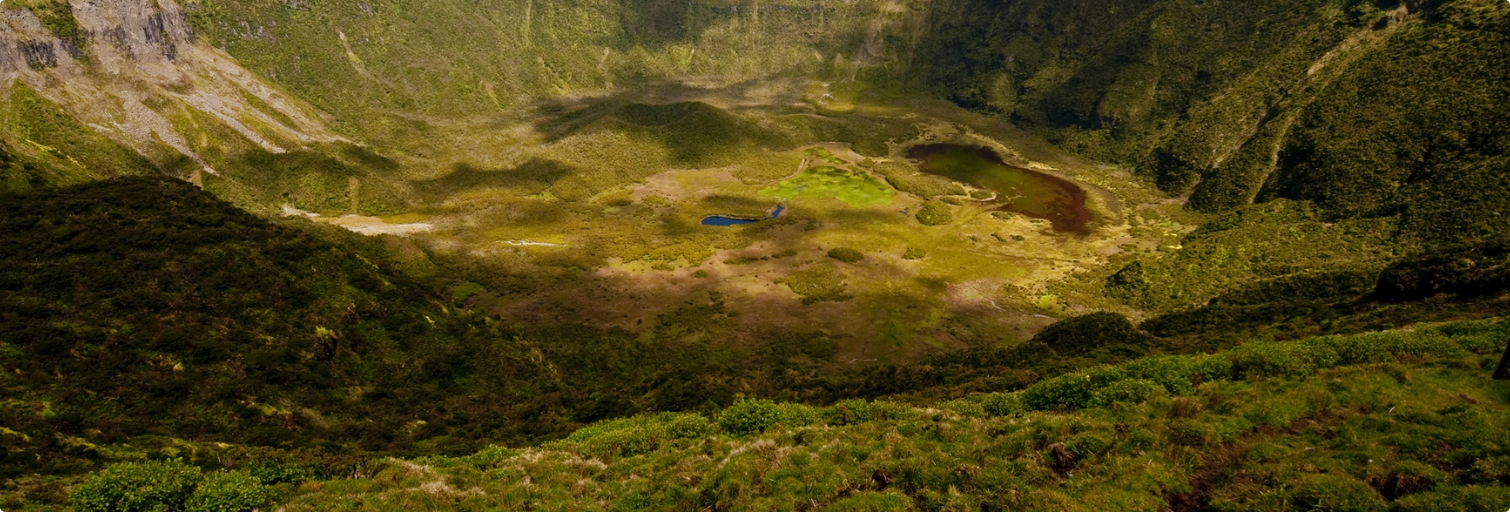
The Azores archipelago has an undeniable geotourism potential due to its volcanic landscapes, which have become the region's ex-libris. Aiming to promote a better use of existing services and infrastructures, the Association Geoparque Açores intends to create new services and interpretive products, implementing quality geotourism in the Region, in close connection with other aspects of Nature Tourism.
Arouca Declaration - Geotourism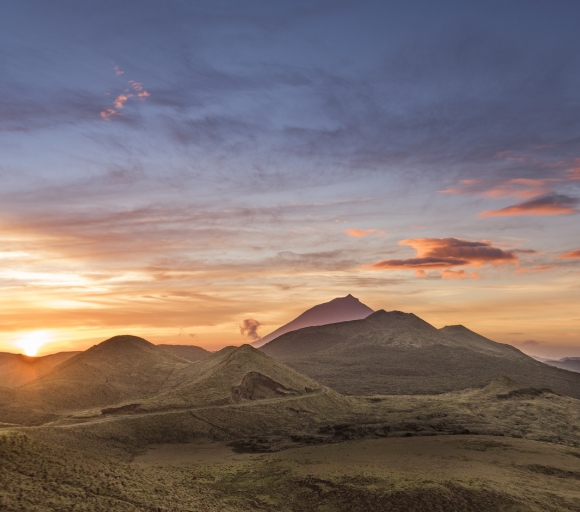
The Azores Geopark has a network of information poles in geosites and places of geological interest in the Azores, which, in general, make known to the resident population, visitors and tourists unique geodiversity elements of the Azores islands.
Discover Route Discover TrailsThis route was created to support the development of Geotourism in various destinations in the European Atlantic Area. With funding from the EU's Interreg Atlantic Area program and support from the Global Geoparks Network, nine European geoparks along with two aspiring geoparks and the University of Trás-os-Montes and Alto Douro, Portugal, are working together in this economic, cultural transnational and sustainable tourism development project.
The European Atlantic Geotourism Route guides you through different territories, countries, habitats, languages and cultures. These stunning destinations are linked together by a powerful mission - to provide the highest quality visitor experiences; helping to boost vibrant local economies and cultural activities and, in doing so, protecting these breathtaking and unique natural landscapes.
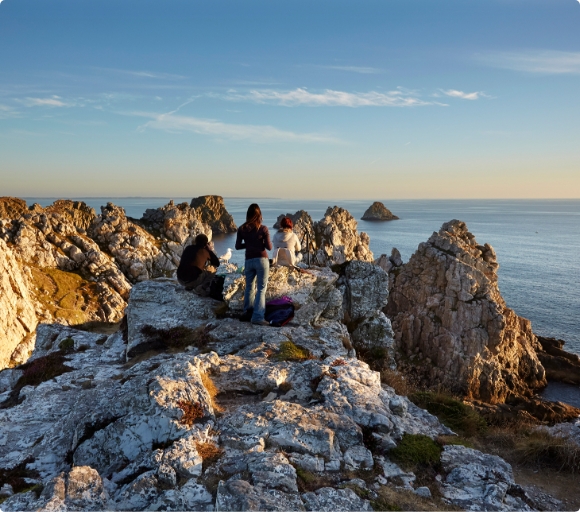
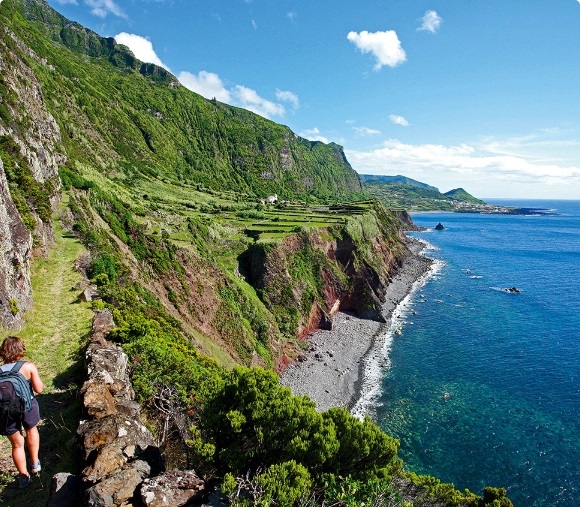
To "discover, on foot, the Azores geosites", enhancing the regional network of walking trails and other trails, stimulating the production of support scripts/leaflets and carrying out, concurrently, monitoring actions, especially the trails that include vulnerable areas such as the Regional Network of Protected Areas of the Azores.
To "discover by car the Azorean geolandscapes", highlighting the many belvederes and viewpoints that exist in all the islands of the archipelago
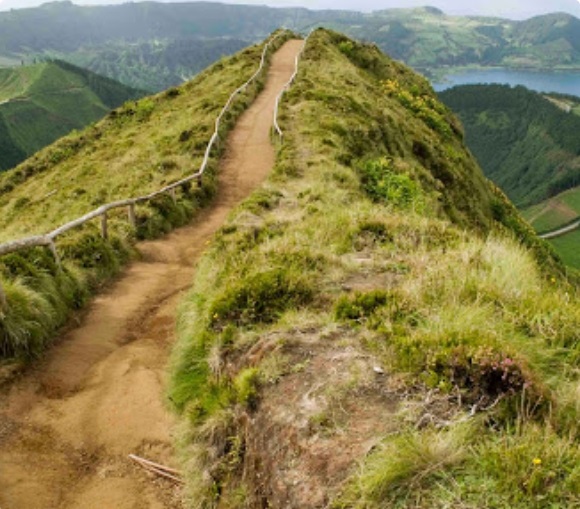
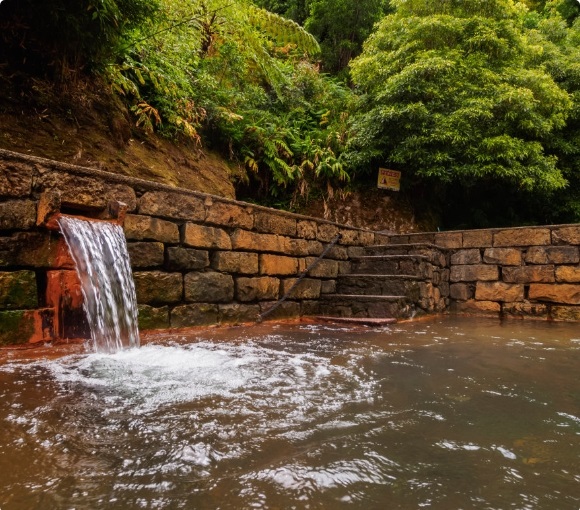
To "discover the power of the Azores volcanism", taking advantage of the potential in health, leisure and well-being of thermal waters and the use of mud as peloides.
Ferraria (S. Miguel island)
Furnas (S. Miguel island)
Caldeiras da Ribeira Grande (S. Miguel island)
Caldeira Velha (S. Miguel island)
Carapacho (Graciosa island)
Varadouro (Faial island)
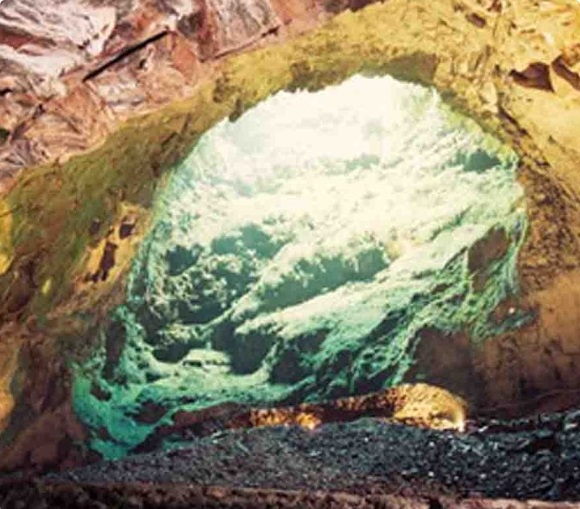
To "discover the underground world of the islands”, valuing the volcanic caves and their interpretation and visitors centers.
Gruta das Torres (Pico island)
Gruta do Carvão (S. Miguel island)
Furna do Enxofre (Graciosa island)
Algar do Carvão (Terceira island)
Gruta do Natal (Terceira island)
Furna d’Água (Terceira island)
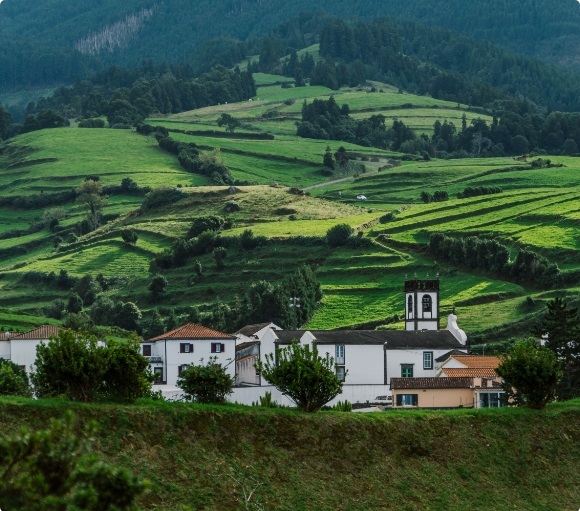
… to get to know the geodiversity existing in cities and towns
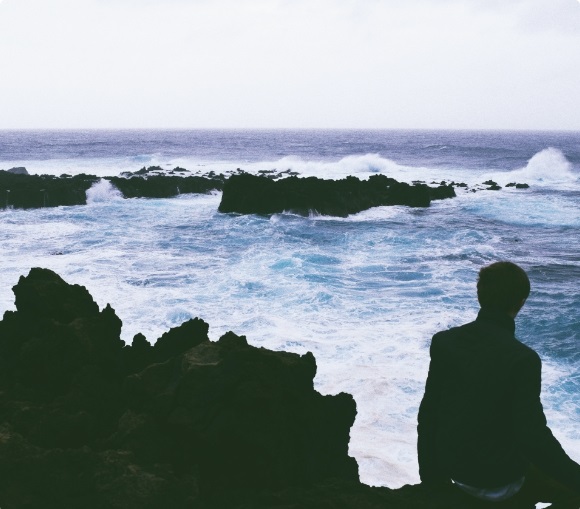
... to discover the geodiversity of the coastline
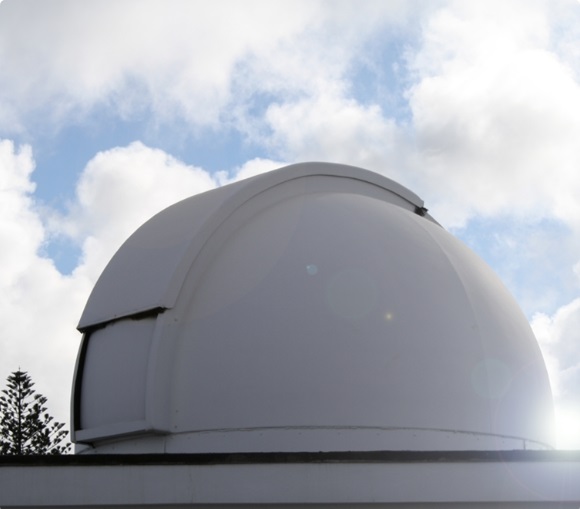
The network of Science Centres of the Azores is a structure created by the Government of the Azores that brings together various spaces for science communication. In addition to the common goals of promoting scientific culture in different areas of knowledge, their interactive character and openness to the community connects them.
he Environmental Centres are structures designed to promote knowledge and conservation of protected areas, landscapes, habitats, geosites, notable species or other elements of environmental interest, structured as spaces for interpretation and, in some cases, to support visitation.
The Environmental Centres are responsible for producing and maintaining exhibitions, as well as providing specialized information on the associated values, as well as promoting and regulating visitation in areas where these values have particular expression.
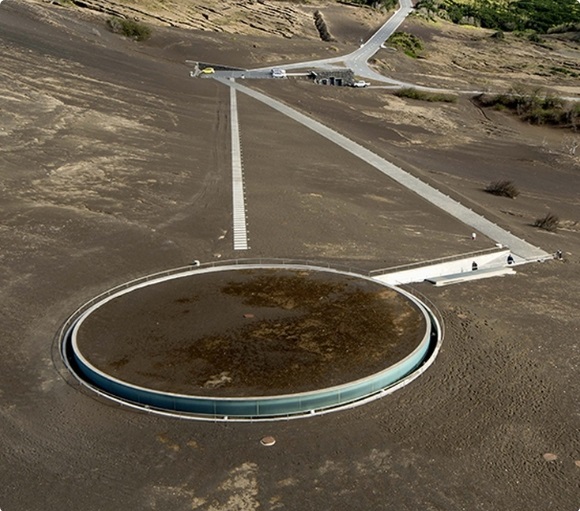
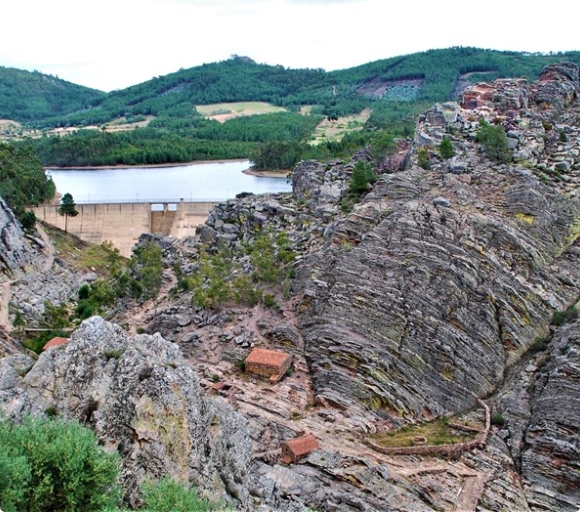
This roadmap has the particular objective of giving visibility to a set of initiatives that are already under development, with institutional framework, different dimensions and characteristics, related to geological and mining issues. The initiatives associated with the itinerary are playful, cultural, pedagogical, scientific, therapeutic, for example: abandoned mines or mines in operation; museums; curiosities, natural landscapes, R&D centers.
Have a “nice trip” on the route of the Portuguese Geological and Mines Sites and discover the interesting places that we offer you throughout the national territory.